
Back MRI + Lumbar MRI Turn
انتشار: 1401/06/16
Back MRI + Lumbar MRI Turn
Low back pain and sciatica are one of the most common health problems. Almost everyone has back pain during a period of their lives. Interestingly, in most cases, the exact cause of pain cannot be found. Lumbar MRI is a medical imaging technique that creates detailed images of soft tissue around the spine. In this article, we have a percenter to familiarize you with the generalities of lumbar MRI and also show you the method of taking the lumbar MRI in the simplest way possible. So stay with us to the end. Most patients and doctors may be concerned that a serious factor is causing low back pain. Can low back pain be caused by cancer or infection in the spine? How to know the cause of low back pain.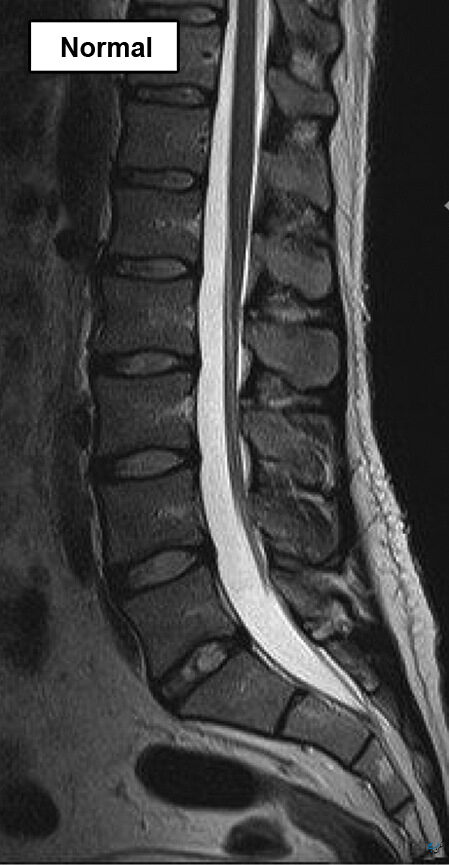 In the figure above, the image is shown as a normal MRI. If your back MRI is something like the shape above, then don't worry at all. If you have one of the following symptoms with low back pain, lumbar MRI should be done:
- Cannot excrete urine or feces painlessly.
- You can't control your urine or your stool.
- You have difficulty walking and balancing.
- Low back pain that is severe in children.
- Fever
- History of cancer
- Other signs or symptoms of cancer
- Falls or serious injuries
- Low back pain that is very severe and even pain pills don't help
- One leg feels numb or faint and is getting worse
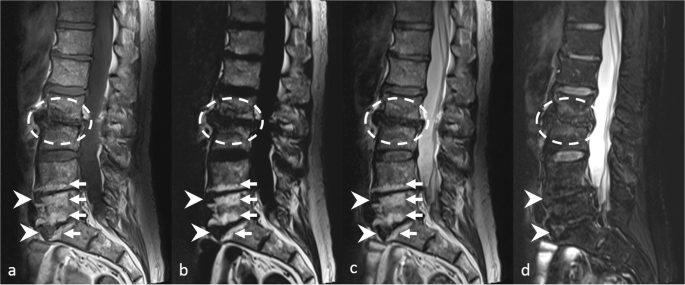 Limping: Limping can lead to movement problems and vague pain or pain in the lower extremities. Limping can also be caused by a vascular that affects blood vessels or is a nerve that involves the nerve network.
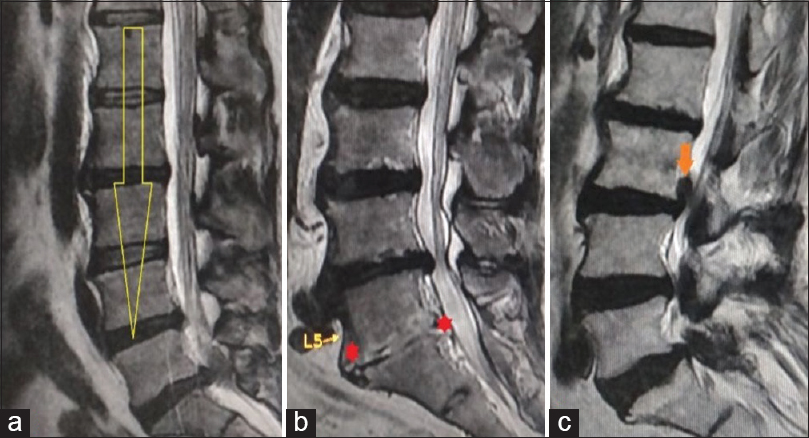 Your doctor may also prescribe lumbar MRI for a person who is scheduled to undergo back surgery. In this case, the surgical team uses lumbar MRI results to help plan the operation.
Waist MRI is a powerful diagnostic tool that doctors may use for:
Your doctor may also prescribe lumbar MRI for a person who is scheduled to undergo back surgery. In this case, the surgical team uses lumbar MRI results to help plan the operation.
Waist MRI is a powerful diagnostic tool that doctors may use for:
- Evaluation of spinal alignment and balance
- Diagnosis of vertebral or spinal cord abnormalities
- Check the herniation of the lumbar disc, which can lead to leg pain.
- Evaluation of any inflammation of the spinal cord or nerves
- Evaluation of tumor on or around the spinal cord
- Monitoring spinal injury after the accident
- Postoperative monitoring of the spine
- Investigating the different causes of low back pain
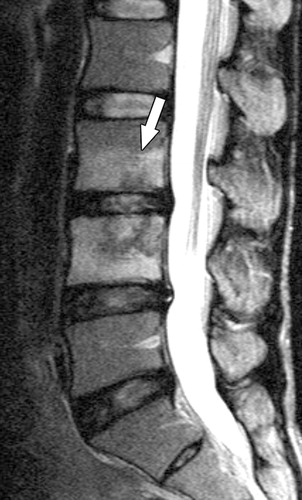 Your doctor usually does not have a back MRI during the first 6 weeks when a person is experiencing pain, unless the person has:
- Sudden low back pain that occurs with fever
- Injury or trauma
- Sudden low back pain is associated with spinal sensitivity, which is possibly associated with cancer, osteoporosis or steroid use.
- Bowel or bladder incontinence
- A serious underlying disease, such as cancer
Interpretation of Kemer MRI
Interpretation of lumbar MRI is a highly specialized work that should be done by a radiologist. But in Ibn Ja, we want to briefly tell you the answer to the MRI Kemer. A lumbar MRI can indicate the reason a person is experiencing back, calf or other types of pain. Lumbar MRI can show the following symptoms:- Congenital or developmental disorders, a characteristic that a person has developed or had since birth.
- Degenerative changes, such as a broken disc or disc herniation, called an annular fissure.
- Inflammation or infection
- Benign or malignant tumor
- Central vertebral canal stenification, leading to nerve compression in the spine.
- Ankylosing spondylitis that may include inflammation and deformity of the spine
- Spondylolistsis, in which the vertebrae slips out of place and affects the alignment of the spine (lumbar disc).
- Other changes, such as abscesses